
Dimensional signs are signs with raised letters, logos, or layers that stand off the surface, creating depth and shadow that flat signs can’t. Most are cut on a CNC router from acrylic, aluminum, PVC, wood, or high-density urethane (HDU). Routed signs suit lobbies, storefronts, and wayfinding, and they can be painted, layered, or lit.
A flat sign tells people your name. Dimensional signs make them look twice. Raised letters catch light and cast shadows, so the same logo reads as crafted and permanent rather than printed. That’s why lobbies, reception walls, and upscale storefronts so often use them.
This guide explains how dimensional signs are made, the materials and styles to choose from, where routed signs work best, and how to design, light, and install them.
- Depth is the point. Raised letters and layers add shadow and presence.
- CNC routing sets the precision. Computer-guided cutting gives clean edges and exact shapes.
- Material sets the mood. Acrylic reads modern, wood reads warm, and metal reads corporate.
- They work inside and out. With the right material and finish, dimensional signs handle Chicago weather.
What Are Dimensional Signs?
Dimensional signs are any signs built with physical depth: individual cut letters mounted to a wall, a logo layered on a panel, or a carved surface with raised and recessed areas. The depth creates shadow lines that make the design readable from more angles and give it a sense of quality.
Several kinds of signs fall under the term:
- Flat-cut letters. Solid letters cut from a sheet of acrylic, aluminum, or PVC and mounted to the wall.
- Layered panels. A logo or lettering built up in two or more layers on a backer.
- Carved or sandblasted signs. HDU or wood shaped into raised lettering and texture.
- Fabricated letters. Hollow metal letters, including channel letters, which add room for lighting inside.
How Routed Signs Are Made
Most dimensional signs today are routed signs, cut on a CNC (computer numerical control) router. The router follows a digital file, cutting letters and shapes with an accuracy that hand tools can’t match. Every curve and corner comes out exactly as designed.
- Design and proof The logo and lettering are drawn as a digital file and shown on a mockup of the wall at real size.
- Material selection Acrylic, aluminum, PVC, wood, or HDU is chosen for the look and for an indoor or outdoor location.
- Routing The CNC router cuts the letters, shapes, or carved surface from the sheet.
- Finishing Pieces are painted, polished, or coated, and layers are assembled.
- Installation Letters are mounted with studs, standoffs, or adhesive, using a paper pattern to space them precisely.
Routing and finishing happen in our own shop, so the team that cuts the letters also checks how they fit the wall.
Materials for Dimensional Signs
The material decides the look, the weight, and where the sign can go.
| Material | Look | Best for |
|---|---|---|
| Acrylic | Glossy, modern, any color | Lobbies, offices, and reception walls |
| Aluminum | Clean metal, brushed or painted | Corporate signs and exterior lettering |
| PVC | Light and economical, paintable | Interior signs and budget-friendly lettering |
| Wood | Warm and natural | Restaurants, cafés, and boutiques |
| HDU (high-density urethane) | Carved, sculpted, weather-resistant | Exterior signs, monument faces, and blade signs |
For exteriors in Chicago, aluminum and HDU handle moisture, salt, and freeze-thaw best when sealed and painted. Acrylic and PVC are usually better suited to interiors.
Thickness counts as much as material. Thin letters, around a quarter inch, suit small interior signs and door plaques. Thicker letters, from a half inch to an inch or more, cast deeper shadows and read better on large walls and building exteriors, where the sign has to hold its own from across a lobby or a parking lot.
Where Dimensional Signs Work Best
Dimensional signs fit almost any business that wants its name to look established. The most common settings:
- Corporate offices. Brushed metal or acrylic logos on lobby and reception walls.
- Retail storefronts. Non-lit building letters on the fascia, often lit by gooseneck lamps.
- Restaurants and cafés. Routed wood or painted HDU letters for warmth and character.
- Hotels and venues. Room numbers, amenity signs, and wayfinding that match the interior design.
- Medical buildings. Clean wayfinding and department signs that guide visitors.
A dimensional acrylic sign on an interior wall is one of the most common requests we get from offices and shops.
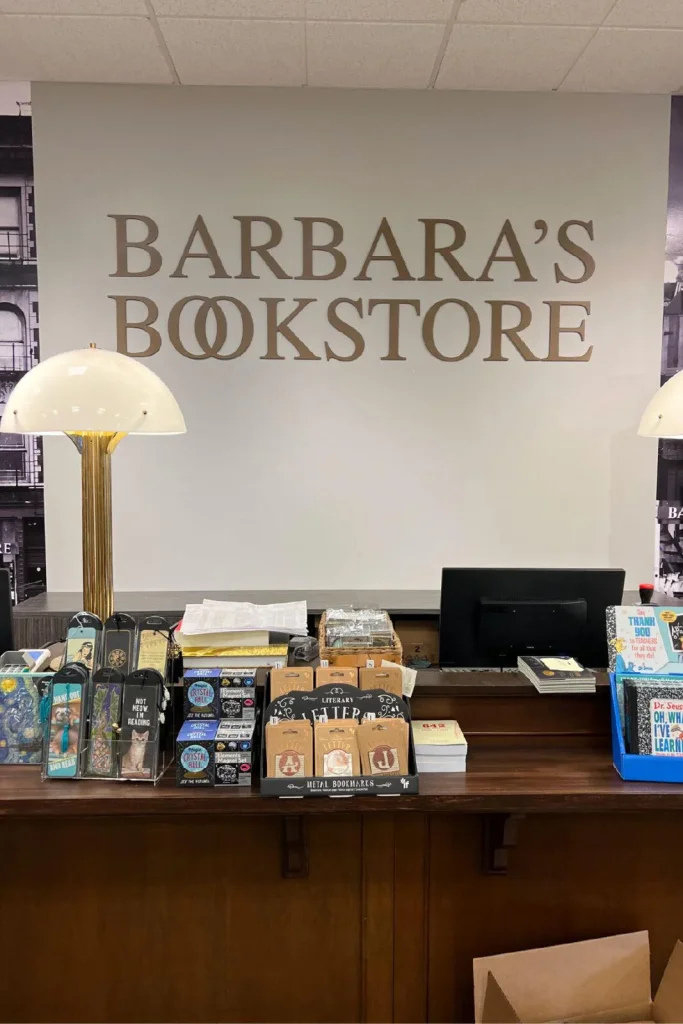
Pairing a dimensional logo with matching exterior lettering keeps the brand consistent from the sidewalk to the front desk.
See your logo in three dimensions
SignFreaks will mock up dimensional letters on a photo of your wall, recommend the right material, and cut the sign in our own shop.
Design Tips for Routed Signs
Routed signs reward simple, bold design. Fine details can break or disappear once cut, so keep these points in mind:
- Use sturdy fonts. Very thin strokes and tiny serifs are fragile and hard to read from a distance.
- Choose the right thickness. Thicker letters cast deeper shadows and read better from farther away.
- Contrast the letters with the wall. Light letters on a dark wall, or dark on light, keep the depth visible.
- Layer for emphasis. Raising a logo above a backer panel adds a second shadow line.
- Plan the lighting early. Halo lighting or external fixtures change how the depth reads at night.
Dimensional Signs vs Flat Signs
Flat signs, such as printed panels and vinyl graphics, cost less and go up quickly. Dimensional signs cost more to make, but they deliver things a flat surface can’t:
- Shadow and depth. Raised letters change with the light through the day, so the sign never looks flat or faded.
- Readability from an angle. Depth helps letters read from the side, not just straight on.
- Perceived quality. Cut letters signal a permanent, established business, which is why law firms, clinics, and corporate lobbies favor them.
- Longevity. Painted metal and sealed HDU outlast printed vinyl outdoors.
Many businesses use both: dimensional signs on the main wall where first impressions count, and flat sign boards or graphics for secondary doors, directions, and temporary messages.
Lighting Dimensional Signs
Dimensional signs can stay unlit, lit from outside, or lit from behind. Spotlights or gooseneck fixtures wash the letters and deepen the shadows.
Halo lighting places LEDs behind letters mounted on standoffs, so a soft glow outlines each character, the effect explained in our guide to halo lit channel letters. For a brighter face that reads farther at night, channel letters are the lit version of dimensional lettering.
Installing Dimensional Signs
Clean installation is what makes dimensional letters look professional. Letters are usually mounted with threaded studs set into the wall, with standoffs that float them off the surface, or with structural adhesive on smooth interior walls. A full-size paper pattern marks every hole, so spacing and alignment stay exact.
Exterior dimensional signs may need a sign permit depending on size and placement, and SignFreaks files it when one applies. Our crew handles installation, and sign repair can refinish or replace weathered letters later.
Choosing Dimensional Signs for Your Space
Dimensional signs give a name or logo the depth and weight of something built to last. Choose the material for the setting, keep the design bold enough to survive routing, and plan the lighting and mounting before anything is cut. Routed signs then deliver clean edges and exact shapes on every letter.
SignFreaks designs, routes, finishes, and installs CNC router signs, acrylic signs, and other custom signs across Chicago and the suburbs. For outdoor options, see monument sign design and blade sign design.
Give your logo real depth
Send SignFreaks your logo and a photo of the wall. We’ll design the dimensional sign, cut it in our shop, and install it with our own crew.
Dimensional Signs FAQs
What are dimensional signs?
Dimensional signs are signs with raised letters, logos, or layers that stand off the surface and cast shadows, giving them depth that flat signs lack. Most are cut on a CNC router. SignFreaks builds CNC router signs in its own Chicago shop.
What are routed signs?
Routed signs are signs cut or carved with a router, usually a computer-controlled CNC router, from materials such as acrylic, aluminum, PVC, wood, or HDU. The router follows a digital file, so every letter and edge comes out exact.
What is the best material for an outdoor dimensional sign?
The best material for an outdoor dimensional sign is aluminum or sealed HDU, because both resist moisture, salt, and freeze-thaw cycles. Acrylic and PVC are usually better for interiors.
Can dimensional letters be lit?
Dimensional letters can be lit with external spotlights, gooseneck fixtures, or halo lighting behind letters mounted on standoffs. For a fully lit face, channel letters are the usual choice.
How are dimensional letters installed?
Dimensional letters are installed with threaded studs set into the wall, standoffs that float them off the surface, or adhesive on smooth interior walls. A full-size pattern marks every hole so the spacing stays exact during installation.