
Restaurant patio awnings block direct sun before it reaches tables, guests, and the paving, which keeps the patio cooler and usable through the afternoon. Do awnings reduce heat? Yes, and they help the dining room behind the patio stay cooler, too.
A sunny patio is a selling point until 3 p.m. on a July afternoon. Then the tables in direct sun sit empty, guests ask to move inside, and the servers working the patio feel every degree. Restaurant patio awnings solve that by putting shade exactly where the heat builds.
This guide explains how patio awnings cut heat and glare, how to plan coverage around the sun’s path, which materials and styles suit a restaurant, and what Chicago’s rules allow over sidewalk cafés.
- Shade stops heat at the source. Blocking sun before it hits the patio keeps surfaces and air cooler.
- Orientation decides coverage. South and west-facing patios need the most shade.
- Cooler patios seat more guests. Shaded tables stay full through the afternoon.
- Sidewalk cafés have their own rules. Chicago allows overhead awnings, not full enclosures.
Why Restaurant Patios Overheat
An open patio in summer collects heat from every direction. Direct sun warms guests and tabletops, concrete and brick paving soak up heat and release it for hours, and walls and windows reflect even more sunlight onto the seating area.
Many restaurant owners only notice it once the patio sits half empty on the hottest afternoons of the year, when guests would rather wait for a table inside than sit in the sun.
The result is a patio that feels much hotter than the air temperature, plus glare that makes guests squint at menus and phones. South- and west-facing patios take the worst of it, because they face the sun during the busiest afternoon and early dinner hours.
Do Awnings Reduce Heat?
Do awnings reduce heat? Yes, and the mechanism is simple: an awning stops sunlight before it lands on people and surfaces. Shaded paving doesn’t build up stored heat, shaded tables stay comfortable to touch, and guests sit out of direct sun.
The effect reaches indoors, too. The U.S. Department of Energy reports that window awnings can reduce solar heat gain in summer by up to 65% on south-facing windows and 77% on west-facing windows. For a restaurant with a patio along its front windows, the same awning that shades the tables also eases the load on the dining room’s air conditioning.
Awnings also block much of the sun’s ultraviolet light, which protects patio furniture, cushions, and umbrellas from fading.
How Restaurant Patio Awnings Pay Off
For a restaurant, cooler air is only part of the return. Restaurant patio awnings change how the space works:
- More usable seats. Tables that sat empty in afternoon sun can be filled.
- Longer patio hours. Shade and light rain protection keep the patio open when the weather turns.
- Longer visits. Comfortable guests stay for another round or dessert.
- A stronger storefront. A branded awning acts as a sign over the patio, as our awning signs guide explains.
- Happier staff. Servers working the patio stay out of the worst of the heat.
A fixed awning over the patio also gives the frontage a finished, planned look that draws people in from the sidewalk.
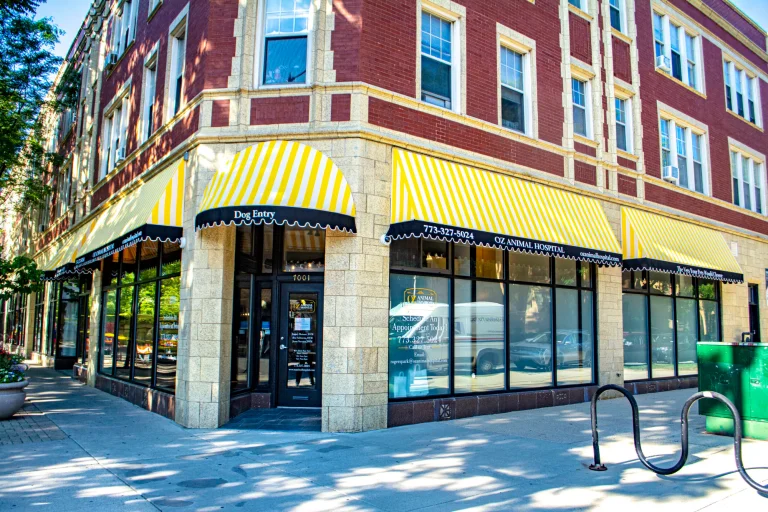
The same frame and fabric that shade a storefront window can be scaled up to cover a full row of patio tables. SignFreaks sizes each frame to the patio’s depth and the wall it mounts to, so the shade lands where guests actually sit.
Planning Coverage Around the Sun
An awning only cools the area it shades, so placement takes planning. Four factors decide how well it works:
- Orientation. South-facing patios get sun most of the day, and west-facing patios take the hot late-afternoon sun. Both need deeper coverage.
- Sun angle. The sun sits lower in the late afternoon, so shade has to reach farther out to cover the outer tables.
- Projection. How far the awning extends from the building decides how many rows of tables it covers.
- Height and pitch. A higher awning feels more open and lets air move, while a lower edge blocks more low-angle sun.
When a patio is too deep for a wall-mounted awning, a post-supported structure or a patio canopy covers the full seating area.
Planning shade for your patio?
Our team maps the sun on your patio, designs the coverage, and builds restaurant patio awnings and canopies in our own shop.
Materials and Styles for Restaurant Patios
Restaurant patio awnings need to handle sun, rain, wind, and Chicago winters:
- Acrylic canvas. Fabrics such as Sunbrella breathe, which helps heat escape, and hold color well in strong sun.
- Vinyl-laminated fabric. Covers such as Patio 500 are water-resistant and easy to clean, a plus near kitchens and grills.
- Powder-coated aluminum frames. Strong and rust-resistant, and they can be engineered for snow when the awning stays up year-round, as our snow awnings guide covers.
- Lighter colors. Light fabrics reflect more sunlight, while darker ones absorb heat but hide wear.
Style shapes the dining experience, too. A traditional slope with a valance suits a classic café, while a box frame or waterfall front fits a modern restaurant. The types of awnings guide compares the options.
Sidewalk Café Rules in Chicago
Patios on private property and sidewalk cafés on the public way follow different rules. Chicago’s sidewalk café rules allow a canopy or awning to provide overhead coverage, but complete enclosure of a sidewalk café is prohibited, and structures cannot be secured into the sidewalk.
Any partial enclosure, including overhead coverage, has to meet the Chicago Building Code and Department of Buildings permit requirements.
For awnings attached to the building over the public way, the city also requires a sign permit and public way approval. SignFreaks prepares the drawings and files the sign permits, then handles installation with our own crew.
Caring for Restaurant Patio Awnings
A patio awning sits over food, drinks, and heavy foot traffic, so simple upkeep keeps it looking good and working well:
- Rinse the fabric regularly. Pollen, dust, and grill smoke dull the color. A gentle rinse and mild soap keep it fresh.
- Check the frame each spring. Look for loose fasteners, rust spots, and sagging fabric before the season opens.
- Clear heavy snow in winter. Fixed awnings that stay up year-round should be cleared after big storms.
- Re-cover when the brand changes. A new cover on the existing frame refreshes the look without a full rebuild, and sign repair handles re-covers and frame fixes.
Extending the Patio Season
Shade is the summer half of the story. When the weather cools, restaurants can keep outdoor seating open longer with windscreens, side panels, or canopy patio enclosures on private patios. At the entrance, commercial vestibules keep the cold out of the dining room.
Choosing Restaurant Patio Awnings That Work
Restaurant patio awnings turn a sun-baked patio into seating guests actually want. Do awnings reduce heat? They block direct sun, cool the patio surfaces, cut glare, and reduce heat gain through nearby windows. Plan the coverage around the sun’s path, choose fabric and frames built for Chicago, and confirm the city’s rules before you build.
SignFreaks designs, permits, builds, and installs patio awnings, commercial awnings, and restaurant signs across Chicago and the suburbs.
Keep your patio full all afternoon
Send SignFreaks a photo of your patio and tell us which way it faces. We’ll design the shade, handle the permits, and install restaurant patio awnings built for Chicago.
Restaurant Patio Awnings FAQs
Do awnings reduce heat on a patio?
Awnings reduce heat on a patio by blocking direct sun before it reaches guests, tables, and paving, which keeps surfaces and the air beneath noticeably cooler. They also reduce solar heat gain through nearby windows. SignFreaks builds patio awnings for restaurants across Chicago.
What is the best awning for a restaurant patio?
The best awning for a restaurant patio is a fixed awning or canopy on a powder-coated aluminum frame with breathable acrylic or water-resistant vinyl fabric, sized to cover the tables during peak sun. Deep patios may need a post-supported patio canopy.
Can a sidewalk café have an awning in Chicago?
A sidewalk café in Chicago can have a canopy or awning for overhead coverage, but complete enclosure is prohibited and structures can’t be secured into the sidewalk. Awnings over the public way also need city approval, which our team handles through sign permits.
Which direction of patio needs an awning most?
The patios that need an awning most face south or west, because they take the strongest sun during the afternoon and early dinner hours. The Department of Energy reports the largest heat gain reductions on west-facing windows.
Can patio awnings stay up through a Chicago winter?
Patio awnings can stay up through a Chicago winter when they’re fixed awnings with a reinforced frame, a steep pitch, and anchors rated for snow load. Our snow awnings guide explains what to look for.