
Channel letter sign cost depends on seven things: letter height and count, lighting style, face and return materials, mounting, lift access, electrical work, and permit fees. Every set is priced from its own measurements, so there’s no flat rate. A fair written quote lists each of the seven on its own line, and two quotes that land far apart usually differ on one of those lines.
Two sign companies, one storefront, and two quotes that look nothing alike. One is a single number on a single line. The other runs a full page. Neither says which letters, which lighting, or whose crew is climbing the lift, and that gap is why channel letter sign cost feels so hard to compare.
This guide breaks down the seven line items behind every quote for channel letters, what the City of Chicago charges to review a sign, how to read a quote line by line, and where you can save without shortchanging the build.
- No flat rate exists. Every set is priced from its own size, lighting, wall, and site.
- Seven line items build the quote. Size, lighting, materials, mounting, access, electrical work, and permits.
- City fees are separate. Chicago charges a $200 zoning review fee plus a building review fee based on sign area.
- Savings come from design choices. Right-sized letters, a lighting style that fits the wall, and a simple outline cut cost without cutting quality.
Why Channel Letter Sign Cost Has No Flat Rate
Ask what channel letters cost and the honest answer starts with questions. How tall are the letters, how many are there, what’s the wall made of, and how high is it? Change any one of those and the labor, the materials, or the equipment on the truck changes with it.
SignFreaks doesn’t publish a price list for the same reason: a number without your size, site, and deadline behind it would be fiction. What we can show you is what goes into the number, so you know what you’re comparing when quotes arrive.
The Seven Line Items Behind a Channel Letter Quote
Read any complete quote for a set of channel letters and you’ll find the same seven items. Here’s what each one covers.
1. Letter Height and Letter Count
Material and labor scale with both. A taller letter takes more aluminum, a larger face, and more LED modules. Each letter is also cut, bent, wired, and finished on its own, so every extra character adds shop hours. Size sets the permit tier too, because the City’s building review fee follows sign area.
2. Lighting Style
Front lit letters are the baseline. Halo lit letters need finished metal faces and standoffs, and combination lit letters take more fabrication time still, so both usually cost more at the same size. Non-illuminated letters skip the LEDs and the electrical work. Front lit letters glow through the face, while halo lit letters throw light on the wall behind them.
3. Face and Return Materials
Painted aluminum is the standard for returns and backs. Stainless steel and brushed metal faces cost more, and so do vinyl overlays that hit a brand color the stock acrylic can’t match. Return depth counts as well, since deeper returns take more metal. Our shop cuts and forms the aluminum in house, so the material choices go into the quote before the first letter is bent.
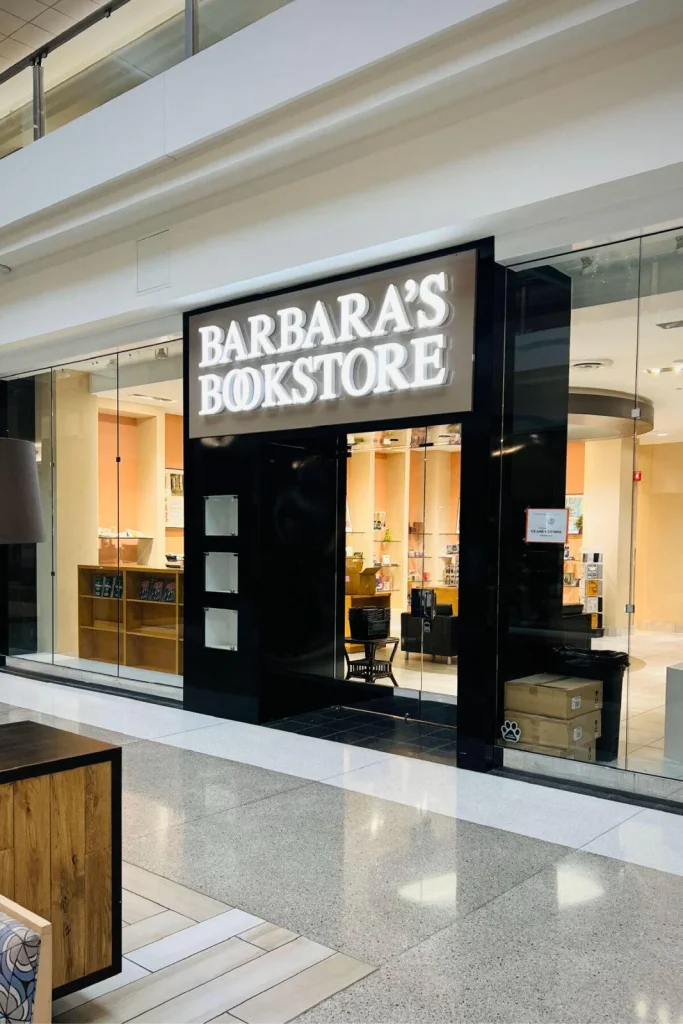
4. Mounting Method and Wall Condition
Channel letters can mount flush to the wall, on a raceway, or on a backer panel, and each adds different parts and install time. Brick, EIFS, precast, and metal panel each want different anchors, and EIFS needs care to keep water from getting behind the face. A rough or dark wall can push a halo lit set onto a finished backer panel, which is one more line in the quote.
Want a quote with every cost on its own line?
Send us a photo of your storefront, a rough size, and your deadline. We’ll return a written quote that names each of the seven items, so you can compare it with any other.
5. Lift Access and Installation Conditions
A ground-floor fascia is easy to reach. A parapet over a busy sidewalk needs a lift, traffic control, and a crew working around pedestrians. SignFreaks handles sign installation with its own crew and lift, so one team prices and schedules the access work instead of passing it to a subcontractor.
6. Electrical Work and Power
Lit letters need a power supply, a dedicated circuit, and often a disconnect, all shown on the permit drawings. A registered electrical contractor makes the final connection. The distance from the nearest panel changes the length of the wire run, so where the sign sits in relation to power is a real cost. SignFreaks specifies UL-listed LED modules and power supplies on every lit set.
7. Drawings, Permits, and City Fees
Chicago requires drawings from a licensed architect or structural engineer for the installation of new channel letters, and it charges review fees on top. SignFreaks prepares the drawings and files the sign permits as part of the job, so they show up in the quote instead of arriving as a surprise after you’ve signed.
What the City of Chicago Charges to Review a Channel Letter Sign
These fees belong to the City and sit apart from the cost of building and installing the sign. Under the City’s sign permit rules, Chicago charges a $200 zoning review fee for an on-premise sign, plus a building review fee that rises with the sign’s area:
| Sign area | Building review fee |
|---|---|
| Under 50 sq ft | $50 |
| 50 to 99 sq ft | $100 |
| 100 to 199 sq ft | $200 |
| 200 to 499 sq ft | $500 |
| 500 sq ft or more | $1,000 |
Two more rules belong in your budget and your timeline. A sign that needs a permit and goes up before the permit is issued is subject to citation, and a sign that projects over a sidewalk also needs a Public Way Use Permit and a City Council ordinance. Suburban villages set their own fees and sign codes, so this line changes from town to town across the areas we serve.
How to Read a Channel Letter Quote Line by Line
A quote you can compare names each of these items. If one is missing, ask for it in writing before you sign.
- Letter height and count. The exact height in inches and the number of characters, plus any logo shapes.
- Lighting type. Front lit, halo lit, combination, or non-illuminated, with the LEDs and power supply named.
- Materials. Face material, return depth, finish, and any vinyl overlays.
- Mounting. Flush, raceway, or backer panel, with the anchors chosen for your wall type.
- Electrical. Who runs the circuit and where the disconnect goes.
- Permits and fees. Drawings, filing, and the City’s review fees, listed separately.
- Installation. The lift, the crew, and any work to take down an old sign and patch the wall through sign removal.
A quote that rolls everything into one number isn’t necessarily wrong, but you can’t compare it with anything. Ask the vendor to itemize it.
Where You Can Save on Channel Letters Without Cutting Corners
Some choices lower the total without weakening the sign, and most of them get made before anything is built.
- Size the letters to the street. The United States Sign Council uses an average legibility index of 30 feet of viewing distance per inch of letter height as a benchmark, and notes that real driving conditions cut it by at least 35 percent. Sizing to the distance your customers read from avoids paying for height the street can’t use.
- Match the lighting to the wall. Front lit letters work on almost any surface. A halo lit set on dark brick needs a finished backer panel, which adds to the quote.
- Keep the outline simple. Tight curves and fine detail take more bending and finishing time, so a simplified wordmark lowers fabrication hours.
- Read the landlord’s criteria first. Strip centers and office towers often set sign rules, and a design drawn before anyone reads them can mean a redraw and a second round of approvals.
- Book design, permit, and installation together. One company means one site survey and one schedule, with no gaps between the people drawing, filing, and bolting.
Getting a Channel Letter Sign Cost You Can Plan Around
Channel letter sign cost has no flat rate, but it isn’t a mystery. Seven line items build the number, the City’s review fees are published, and a quote that names each item lets you compare vendors on the same terms.
SignFreaks designs, permits, builds, and installs channel letters for businesses across Chicago and the suburbs, and you can see finished sets in the portfolio. Many storefronts pair the letters with an awning over the door or shelter the entrance with a winter vestibule, all from the same shop. Letters also sit alongside other types of business signs, such as monument signs and awnings.
Get a line-by-line channel letter quote
Tell us your address, your rough size, and your opening date. We’ll design, permit, build, and install the letters, and the quote will show what each part costs.
Channel Letter Sign Cost FAQs
How much do channel letters cost?
How much channel letters cost depends on letter height, letter count, lighting, materials, mounting, access, electrical work, and permits, so there’s no honest flat rate. We quote after reviewing a photo, a rough size, and a deadline, with each cost on its own line. Our shop builds channel letters in house.
Why do channel letter quotes vary so much?
Channel letter quotes vary because vendors often price different things. One quote may include drawings, permits, and installation, while another covers only the letters. Comparing the seven line items side by side shows where the gap comes from.
Do halo lit channel letters cost more than front lit?
Halo lit channel letters usually cost more than front lit letters of the same size, because they need finished metal faces, standoffs, and more fabrication time. Front lit letters glow through the face, while halo lit letters glow around it, so the two look different after dark.
Does the cost of a channel letter sign include the permit?
The cost of a channel letter sign includes the permit only when the quote says so, and the City’s zoning and building review fees are charged separately. We prepare the drawings and file the sign permits, then list each fee on the quote.
Can non-illuminated letters lower the cost?
Non-illuminated letters can lower the cost because they skip the LEDs, the power supply, and the electrical work. They suit daytime businesses and interior walls, while lit letters keep a storefront readable after dark.
What does it cost to repair channel letters later?
Repairing channel letters later usually costs far less than replacing them, because LED modules and power supplies can be swapped one at a time. A letter that goes dark is typically a failed module or power supply, and sign repair replaces the part without rebuilding the letter.