
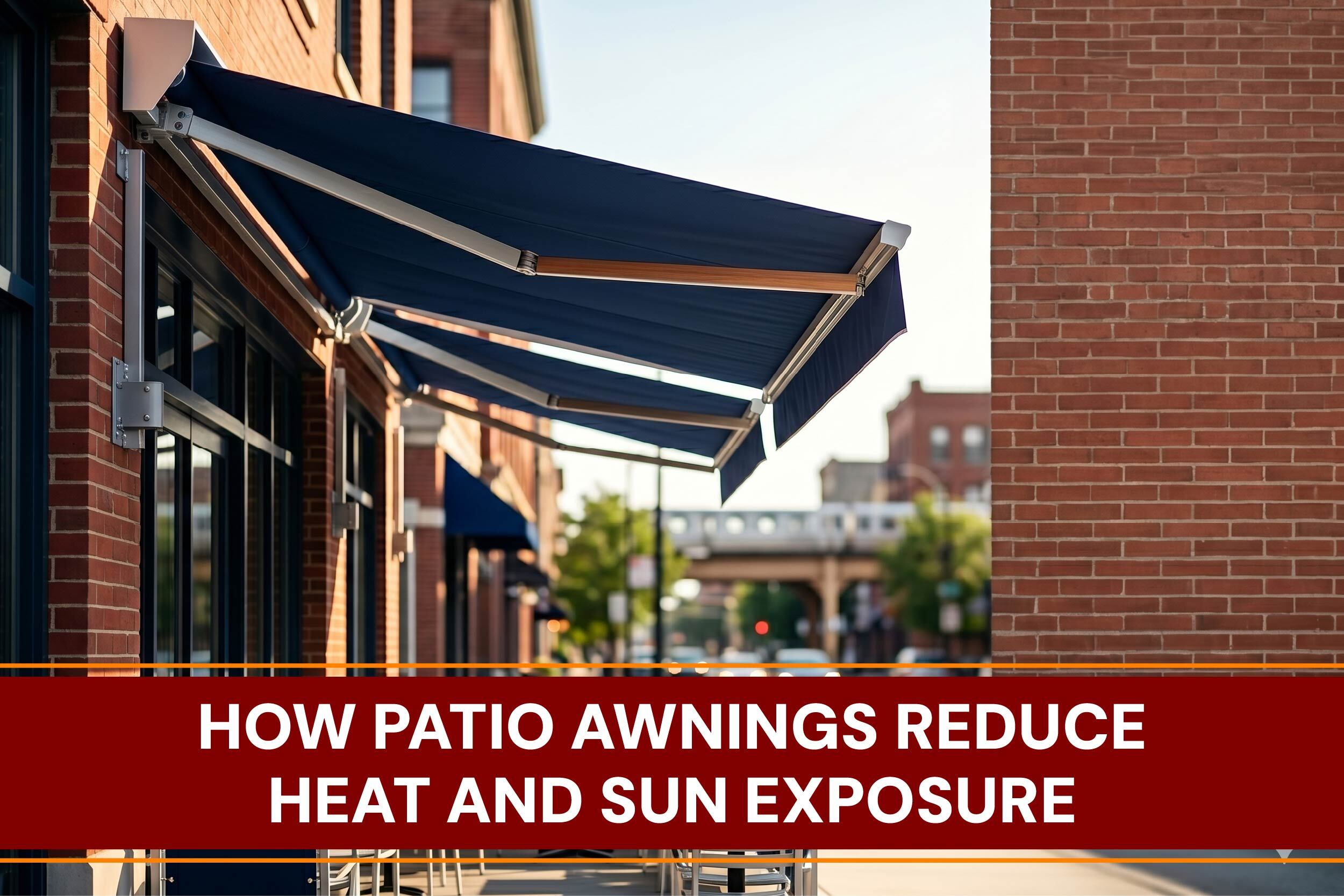
How Patio Awnings Reduce Heat and Sun Exposure
Introduction
Patios are a central feature of modern outdoor living, offering a versatile space for relaxation, dining, and entertaining. However, without proper shade, these areas often become uncomfortable due to constant sun exposure. This is where patio awnings help reduce heat by providing a practical barrier against direct sunlight. Whether you are evaluating the patio awning installation cost, comparing patio awning cost options, or researching how much a patio awning costs, investing in a well-designed shading system can significantly improve outdoor comfort while maintaining the openness of your space.
Direct sunlight does more than just create discomfort. It contributes to glare, accelerates the fading of outdoor furniture, and increases indoor temperatures near patio doors. As a result, many homeowners and businesses seek solutions that balance sun protection with usability. Patio awnings offer an effective approach by controlling heat buildup and reducing exposure, making outdoor areas more functional throughout the day while also supporting overall energy efficiency.
Why Patios Become Uncomfortably Hot in Direct Sunlight
Patios are one of the most valued extensions of any residential or commercial property. They provide the perfect setting for outdoor dining, relaxation, and social gatherings. However, without proper shade, these spaces can quickly become unusable, especially during peak summer hours.
Direct sunlight is the primary reason patios become excessively hot. Prolonged exposure leads to several common issues:
- Intense glare that makes it difficult to sit comfortably
- Fading and deterioration of outdoor furniture
- Increased indoor temperatures near patio doors and windows
- Reduced usability during daytime hours
As a result, many property owners actively search for solutions that balance openness with protection. This is where patio awnings offer a practical and highly effective solution.
Professionally designed systems, like those offered by SignFreaks, demonstrate how patio awnings help reduce heat while maintaining visual appeal and functionality. To fully understand their impact, it’s important to first explore how sunlight actually contributes to heat buildup.
Understanding How Sunlight Heats Outdoor Spaces
Heat accumulation on patios is not just about temperature. It’s about how surfaces interact with solar radiation.
When sunlight directly hits a patio:
- Solar radiation transfers heat energy to surfaces
- Materials such as concrete, wood, and stone absorb and retain this heat
- Surrounding walls and structures reflect sunlight, intensifying the effect
- Heat radiates back into the air, creating a “heat trap.”
Additionally, sunlight entering through adjacent patio doors or windows contributes to indoor heat gain, making interior spaces warmer and increasing reliance on air conditioning.
Unshaded patios can therefore become significantly hotter than the ambient air temperature. This is especially noticeable in south-facing and west-facing orientations, where exposure is prolonged.
Strategic shading solutions, such as awnings, interrupt this process by reducing direct solar contact—resulting in measurable temperature differences.
How Patio Awnings Block Direct Solar Radiation
The primary function of a patio awning is to act as a physical barrier between sunlight and surfaces. This simple intervention delivers substantial thermal benefits.
Here’s how patio awnings work:
- Block direct solar radiation before it reaches the flooring and furniture
- Prevent heat absorption in patio materials
- Reduce reflective heat from surrounding structures
- Minimize glare, improving visual comfort
The difference between a sun-exposed patio and a shaded one is immediately noticeable. Shaded environments can feel significantly cooler even when the air temperature remains the same.
This is one of the key reasons why patio awnings help reduce heat conditions effectively. By preventing heat from building up in the first place, they maintain a more stable and comfortable outdoor environment throughout the day.
How Patio Awnings Help Lower Indoor Temperatures
While outdoor comfort is a major benefit, patio awnings also play a critical role in indoor climate control.
When installed correctly, awnings:
- Block sunlight from entering through patio doors and windows
- Reduce solar heat gain inside adjacent rooms
- Lower indoor temperatures naturally
- Decrease dependence on air conditioning systems
This contributes directly to energy efficiency, especially during peak summer months. In many cases, homeowners notice a reduction in cooling costs after installation.
This is a major advantage for both residential and commercial properties. For businesses, such as restaurants with outdoor seating, this also supports customer comfort indoors and outdoors simultaneously.
In essence, patio awnings help reduce heat while also enhancing the energy performance of the entire building.
UV Protection: Shielding People and Outdoor Furnishings
Heat is only one part of the equation. Ultraviolet (UV) radiation presents additional risks that cannot be ignored.
Extended exposure to UV rays can lead to:
- Skin damage and long-term health risks
- Fading of fabric cushions and upholstery
- Discoloration of wood and composite decking
- Deterioration of outdoor décor elements
High-quality patio awnings are designed to provide UV protection, blocking a significant percentage of harmful rays.
Key benefits include:
- Safer shaded seating areas for families and guests
- Extended lifespan of outdoor furniture
- Protection for decorative elements and finishes
- Enhanced comfort during prolonged outdoor use
Advanced materials such as acrylic fabrics and specialized coatings are particularly effective in reducing solar radiation. This makes awnings not just a comfort upgrade, but also a protective investment.
Creating Comfortable Outdoor Living Spaces with Shade
A shaded patio transforms from a seasonal space into a fully functional outdoor living area. With proper coverage, patios can be used throughout the day rather than being limited to early mornings or evenings.
Shaded environments enable a variety of uses:
- Outdoor dining areas for family meals or restaurant seating
- Relaxation zones with lounge chairs and seating arrangements
- Entertainment spaces for hosting guests
- Work-from-home extensions or reading corners
With the addition of a professionally installed awning, the usability of the space increases dramatically. The reduction in heat and glare creates a comfortable microclimate that supports longer and more enjoyable outdoor experiences.
For commercial properties, this translates directly into increased seating capacity and improved customer satisfaction. For homeowners, it enhances lifestyle quality and property value.
Solutions like retractable systems further enhance flexibility, allowing users to adjust shade levels based on time of day and weather conditions. This adaptability reinforces why patio awnings help reduce heat environments while improving overall functionality.
Strategic Awning Placement for Maximum Sun Protection
The effectiveness of a patio awning depends heavily on its placement and configuration. Proper planning ensures optimal heat reduction and sun protection.
Key Factors to Consider:
Patio Orientation
- South-facing patios receive the most consistent sunlight
- West-facing patios experience intense afternoon heat
Sun Path Throughout the Day
- The angle of sunlight changes continuously
- Shade coverage must adapt to these shifts
Projection and Coverage Area
- A larger projection provides better shade coverage
- Insufficient extension reduces effectiveness
Height and Angle
- Determines how shadows are cast
- Impacts both protection and airflow
Careful evaluation of these factors ensures that the awning delivers maximum performance. Professional patio awning installation is critical in achieving the right balance between coverage, aesthetics, and durability.
Additional Benefits Beyond Temperature Control
While heat reduction is the primary advantage, patio awnings offer several additional benefits that enhance usability and convenience.
Key Advantages:
- Reduced glare on screens, making it easier to use laptops or mobile devices outdoors
- Light rain protection, allowing continued use during mild weather changes
- Extended patio usability during summer months
- Improved ambiance, creating a defined and visually appealing outdoor space
For commercial applications, such as restaurants, awnings also support branding while improving customer comfort in outdoor dining areas.
These added benefits reinforce the value of investing in a well-designed shading solution.
Choosing the Right Patio Awning for Effective Shade
Selecting the right awning involves more than just aesthetics. Several functional considerations determine long-term performance and comfort.
Factors to Evaluate:
- Patio size and layout
- Sun exposure patterns
- Material durability and weather resistance
- Desired level of shade coverage
- Fixed vs retractable awning heat reduction needs
Cost is also an important factor for most property owners when considering an awning upgrade. Many people often ask about the patio awning installation cost, compare different patio awning cost options, or try to determine how much a patio awning costs based on their space and requirements. Others may also evaluate the overall cost to build an awning over patio areas as part of a larger outdoor improvement plan. While pricing can vary depending on size, materials, and automation features, investing in professional patio awning installation ensures optimal performance, durability, and long-term value.
For those searching for solutions like a retractable awning for patio near me, working with experienced providers such as SignFreaks ensures both technical precision and design excellence.
Conclusion
Patio awnings offer a practical and highly effective solution to excessive heat and sun exposure by reducing direct sunlight, preventing heat buildup, and providing reliable UV protection. They enhance comfort in both outdoor and adjacent indoor spaces while supporting energy efficiency and lowering cooling costs. Whether for residential patios or commercial settings, awnings significantly improve usability and overall experience. Most importantly, patio awnings help reduce heat in a way that is both functional and visually appealing, making them a smart long-term investment for creating comfortable and versatile outdoor spaces.