
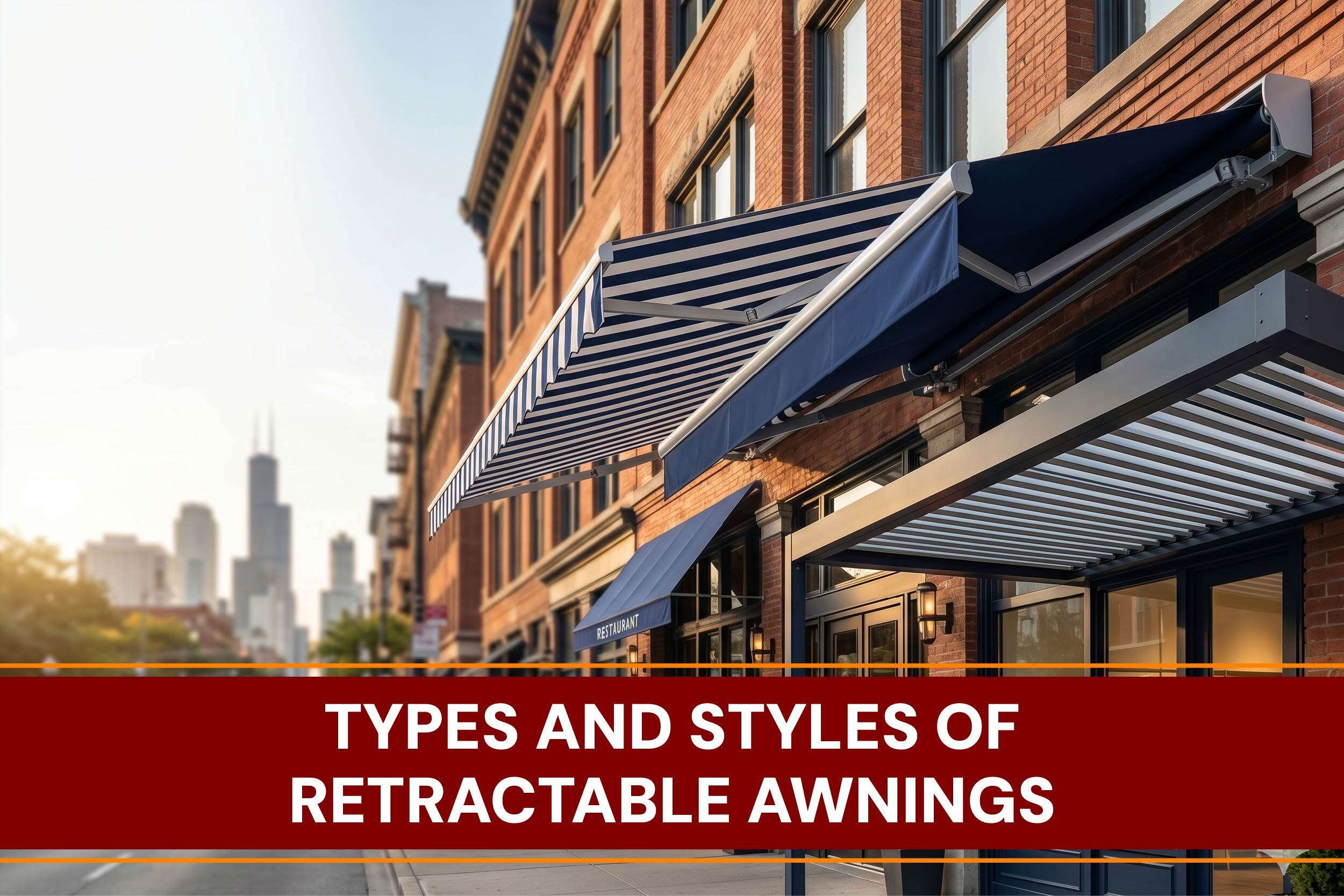
Types and Styles of Retractable Awnings
Introduction
Outdoor spaces have become an essential extension of both homes and businesses. At SignFreaks, we regularly work with clients looking for adaptable solutions like Awnings Chicago, where performance, durability, and flexibility are equally important. Unlike fixed shade structures, commercial properties benefit significantly from commercial retractable awnings, allowing them to adjust coverage based on customer traffic, weather conditions, and time of day.
On the residential side, residential retractable awnings provide homeowners with the ability to control sunlight, reduce indoor heat, and enhance outdoor comfort without committing to permanent shade.
For patios, decks, and backyard setups, patio awnings offer a practical way to create shade on demand while maintaining an open-air experience when desired. This level of control not only improves usability but also contributes to energy efficiency and long-term property value.
If you’re exploring options or comparing solutions, it’s also worth reviewing related insights such as different types of awnings, the key benefits of retractable awnings, and how snow-resistant awnings perform in harsher weather conditions.
Why Retractable Awnings Are Becoming a Popular Shade Solution
Retractable awnings are especially popular in environments such as:
- Restaurant patios and outdoor dining areas
- Storefront seating spaces along busy streets
- Residential decks, balconies, and terraces
These installations help create comfortable environments for customers and homeowners while maintaining flexibility when conditions change.
Understanding what an awning is in this context reveals why retractable designs have become so widely adopted. An awning is an exterior shade structure that extends from a building to protect from the sun and the weather. However, retractable systems take this concept further by allowing the coverage to expand or retract depending on the user’s needs.
Another important point to consider is that retractable awnings are not a single product category. There are several types of retractable awnings, each built around different mechanical systems, housing designs, and structural components.
In this guide, we explore the most common retractable awning systems and design styles available today so property owners can better understand which option best suits their space.
How Retractable Awning Systems Work
To fully understand the different types of retractable awnings, it helps to look at how these systems function from an engineering perspective.
Retractable awnings operate on a mechanical system that allows the fabric canopy to extend outward for shade and retract back toward the building when not in use.
While designs can vary, most systems rely on a set of core components that work together to ensure smooth operation and long-term durability.
Key Structural Components
A typical retractable awning system includes:
- Extending arms that support the canopy when the awning is opened
- A roller tube that stores the fabric when the awning retracts
- A fabric canopy made from durable materials designed for outdoor exposure
- Mounting brackets that secure the awning to the wall, soffit, or roof structure
- An operating system, either manual or motorized
When the awning is extended, the arms push outward and hold the fabric canopy in place, creating a shaded area beneath it. When retracted, the fabric rolls neatly around the roller tube.
One of the main advantages of retractable systems is that the fabric can roll into a protective housing. This helps protect the material from unnecessary weather exposure when the awning is not being used.
This mechanical standpoint highlights how retractable systems combine structural engineering with practical functionality. Different retractable awning models are built around various housing styles and arm mechanisms, which is why several system types exist.
-
Motorized Retractable Awnings: Smart Outdoor Comfort
As technology continues to influence architectural design, motorized retractable awnings have become increasingly popular.
Unlike manual systems, motorized awnings use electric motors to extend and retract the canopy automatically.
How Motorized Systems Operate
Motorized retractable awnings can be controlled through several methods:
- Remote controls
- Wall-mounted switches
- Smartphone applications
This automation allows users to adjust shade coverage quickly and effortlessly.
Benefits of Motorized Awnings
Motorized systems offer several advantages, particularly for larger installations.
They provide smoother operation and eliminate the need for manual cranking. In addition, automated features can help protect the awning itself.
Many advanced systems include smart features such as:
- Wind sensors that retract the awning during strong winds
- Sun sensors that automatically extend the awning during intense sunlight
- Automatic storm protection systems
2. Open Retractable Awnings: A Simple and Affordable Shade System
One of the most straightforward types of retractable awnings is the open-frame system. These awnings feature a simple design where the mechanical components remain visible.
Structural Features
Open retractable awnings typically include:
- Exposed roller tube and extending arms
- No protective cassette housing
- Lightweight structural components
Because the roller and arms are visible, this system is often referred to as an open-style retractable awning.
Advantages of Open Retractable Awnings
Open systems are popular because they offer a cost-effective shade solution. Their simplified structure allows for easier installation and generally lower upfront costs compared to more enclosed systems.
These awnings are commonly installed in locations where they receive some natural protection from the building structure, such as beneath roof overhangs or balcony coverings.
Limitations to Consider
Because the mechanical components remain exposed, open retractable awnings are more vulnerable to weather exposure. Over time, rain, wind, and debris may require additional maintenance.
In terms of long-term durability helps buyers determine whether this system is appropriate for their environment. In protected residential areas such as patios or balconies, open retractable awnings can perform very well while remaining budget-friendly.
3. Semi-Cassette Retractable Awnings: Balanced Protection and Design
For property owners looking for a balance between affordability and durability, semi-cassette systems are often an ideal choice.
Semi-cassette models represent one of the most popular types of retractable awnings because they provide partial protection for the awning components while maintaining a clean appearance.
How the Semi-Cassette System Works
In a semi-cassette design, the housing encloses the fabric canopy when the awning retracts. However, some structural elements such as the arms remain partially exposed.
This design protects the most vulnerable component, the fabric, while keeping the overall structure lighter and more affordable than a fully enclosed system.
Key Benefits
Semi-cassette retractable awnings offer several advantages:
- Improved protection for the fabric canopy
- Longer lifespan compared to open-frame systems
- A cleaner and more modern appearance
Because the fabric is shielded when the awning is closed, it remains protected from rain, dust, and UV exposure.
Typical Applications
Semi-cassette awnings are commonly installed in:
- Residential patios and outdoor living spaces
- Restaurant seating areas
- Café terraces and outdoor lounges
They offer a strong balance between protection, aesthetics, and cost.
4. Full Cassette Retractable Awnings: Premium Weather Protection
For maximum durability and visual sophistication, full-cassette systems are the premium category among retractable awnings.
Features
- The entire system, fabric, roller tube, and extending arms is fully enclosed when retracted.
- Shields internal components from dust, moisture, UV exposure, and debris, extending the awning’s lifespan.
- Creates a clean, streamlined look that integrates seamlessly with the building exterior.
- Reduced exposure to environmental elements minimizes wear and ongoing maintenance requirements.
Advantages of Full Cassette Systems
Full cassette awnings offer several important benefits:
- Maximum protection against weather conditions
- Reduced maintenance requirements
- Extended fabric lifespan
- Clean, modern architectural appearance
Awnings tend to maintain their performance and appearance for longer, when components are fully enclosed and not in use.
Ideal Installation Environments
Full cassette retractable awnings are often used in higher-end settings such as luxury residential patios, upscale restaurant terraces, and premium hospitality environments.
Design Styles of Retractable Awnings
Beyond mechanical systems, retractable awnings also vary in visual design. The style of the awning plays an important role in shaping the overall appearance of the building.
1. Traditional Straight-Edge Designs
These awnings feature clean, straight fabric edges that create a simple and modern aesthetic. They are commonly used in contemporary residential settings and commercial storefronts.
2. Scalloped Valance Styles
Scalloped valances add decorative curves along the edge of the awning fabric. This classic style is frequently seen on cafés and traditional storefronts.
3. Contemporary Minimalist Designs
Modern retractable awnings often incorporate sleek cassette housings and sharp architectural lines. These designs complement modern buildings and upscale commercial environments.
4. Custom Branded Commercial Styles
Businesses often choose retractable awnings that incorporate brand colors, logos, and typography. This allows the awning to function not only as a shade structure but also as a powerful branding element.
At SignFreaks, we regularly design custom retractable awnings that reflect the identity of the businesses we work with.
Where Retractable Awnings Work Best
Retractable awnings offer exceptional adaptability, making them suitable for installation across a wide range of residential and commercial settings. Some of the most common applications include:
- restaurant patios
- café outdoor seating areas
- retail storefront shading
- residential decks and terraces
- apartment balconies.
The key advantage of these systems is their flexibility. Because the awning can extend and retract throughout the day, property owners can adjust shade coverage depending on sunlight conditions or weather changes.
In relation to adaptable outdoor environments, retractable systems have become such a popular solution for both commercial and residential spaces.
Key Considerations When Choosing a Retractable Awning
Choosing the right retractable awning involves more than just style. It requires careful consideration of how it will perform in your specific space. Whether for a home or business, here are the key factors to keep in mind before making a decision:
-
Mounting Surface
Retractable awnings can be installed on walls, soffits, or roof structures. The mounting surface must be strong enough to support the system.
-
Projection Size
Projection refers to how far the awning extends outward from the building. The appropriate size depends on how much shade coverage is required.
-
Fabric Selection
High-quality fabrics provide UV resistance, weather durability, and long-lasting color performance.
-
Operating System
Buyers must decide between manual systems and motorized options depending on convenience and budget.
-
Professional Installation
Proper installation ensures the awning operates smoothly and remains structurally secure over time.
At SignFreaks, professional Awning installation is a critical part of ensuring long-term performance.
Which Type of Retractable Awning is Best?
Choosing the best retractable awning depends on your specific needs, property type, and local climate, especially when considering performance in conditions like wind, sun exposure, and seasonal changes. For properties in Chicago, durability and weather resistance are key, which is why exploring Awnings Chicago services can help you identify the most suitable solution for long-term use. Depending on your application, you can consider:
- Commercial Retractable Awnings for storefronts, restaurants, and high-traffic outdoor spaces
- Residential Retractable Awnings for patios, decks, and backyard comfort
- Patio Awnings for flexible shade and enhanced outdoor living
Each option is designed to address different functional and aesthetic requirements, ensuring optimal performance in your environment.
Conclusion: Finding the Right Retractable Awning Style for Your Space
Retractable awnings offer a smart, flexible way to create outdoor shade while maintaining control over sunlight and coverage throughout the day. With options ranging from open and semi-cassette systems to fully enclosed models, each design delivers varying levels of protection, durability, and visual appeal.
Understanding these differences makes it easier to choose the right fit for your space. At SignFreaks, we design custom retractable awnings tailored for both residential and commercial applications, helping you enhance comfort, functionality, and overall outdoor experience.